
Imagine an organization with dozens of critical systems, hundreds of moving parts, and thousands of daily decisions keeping it running. Everyone agrees security and resilience are important—but when a crisis hits, which systems matter most? Which weaknesses would cascade into disruption, and which can be tolerated?
This is where Threat and Risk Assessments (TRAs) prove their worth.
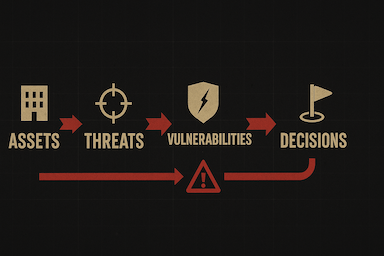
At their core, TRAs are about foresight. They give leaders the ability to see beyond day-to-day operations and ask hard questions:
The answers don’t just live in spreadsheets—they shape strategy. A TRA is one of the few tools that can cut through organizational complexity and reveal, in clear terms, what’s at stake and what to do about it.
But here’s the reality: TRAs are hard work.
A proper assessment requires cataloguing assets, measuring safeguards, estimating exploitability, judging resilience, and weighing the capabilities of different threat actors. Each of those steps introduces complexity and uncertainty.
When corners are cut, the assessment suffers. Many organizations end up with documents that:
This is why many executives are skeptical of TRAs: they’ve seen the work that goes into them, and too often, they’ve seen little return.
And yet, when done well, a TRA is transformative.
A strong assessment brings clarity where there was confusion. It identifies the critical few assets that matter most, shows how vulnerabilities line up with real-world threats, and provides a defensible basis for decisions.
Instead of debating “what if” scenarios endlessly, leaders gain:
This is the difference between a TRA that collects dust and one that drives strategy.

Consider two organizations.
The first never truly embraced TRAs. They invested broadly in safeguards but had no clear sense of which assets mattered most. When an incident occurred, they discovered too late that they had overlooked their most vulnerable, high-impact systems.
The second took the time to conduct TRAs properly. They didn’t eliminate all risk—no organization can—but they understood their vulnerabilities and prepared for the scenarios most likely to hurt them. When disruption struck, they absorbed the shock and kept critical functions online.
The lesson is clear: it’s not just about being secure everywhere—it’s about being secure where it matters most.
Not all assessment methods achieve this clarity. Too often, frameworks leave organizations drowning in detail or guessing at priorities.
The TELOS Integrated Threat and Risk Assessment (TITRA) methodology was created to address this problem. Based on established principles but refined for modern complexity, TITRA takes the core value of TRAs—turning uncertainty into clarity—and makes it practical.
Where many methods stop at description, TITRA pushes further. It quantifies, compares, and prioritizes risks in a structured way, ensuring that assessments don’t just identify vulnerabilities but guide decisions.
The result isn’t just a report. It’s a decision-making framework that executives and operators alike can trust.
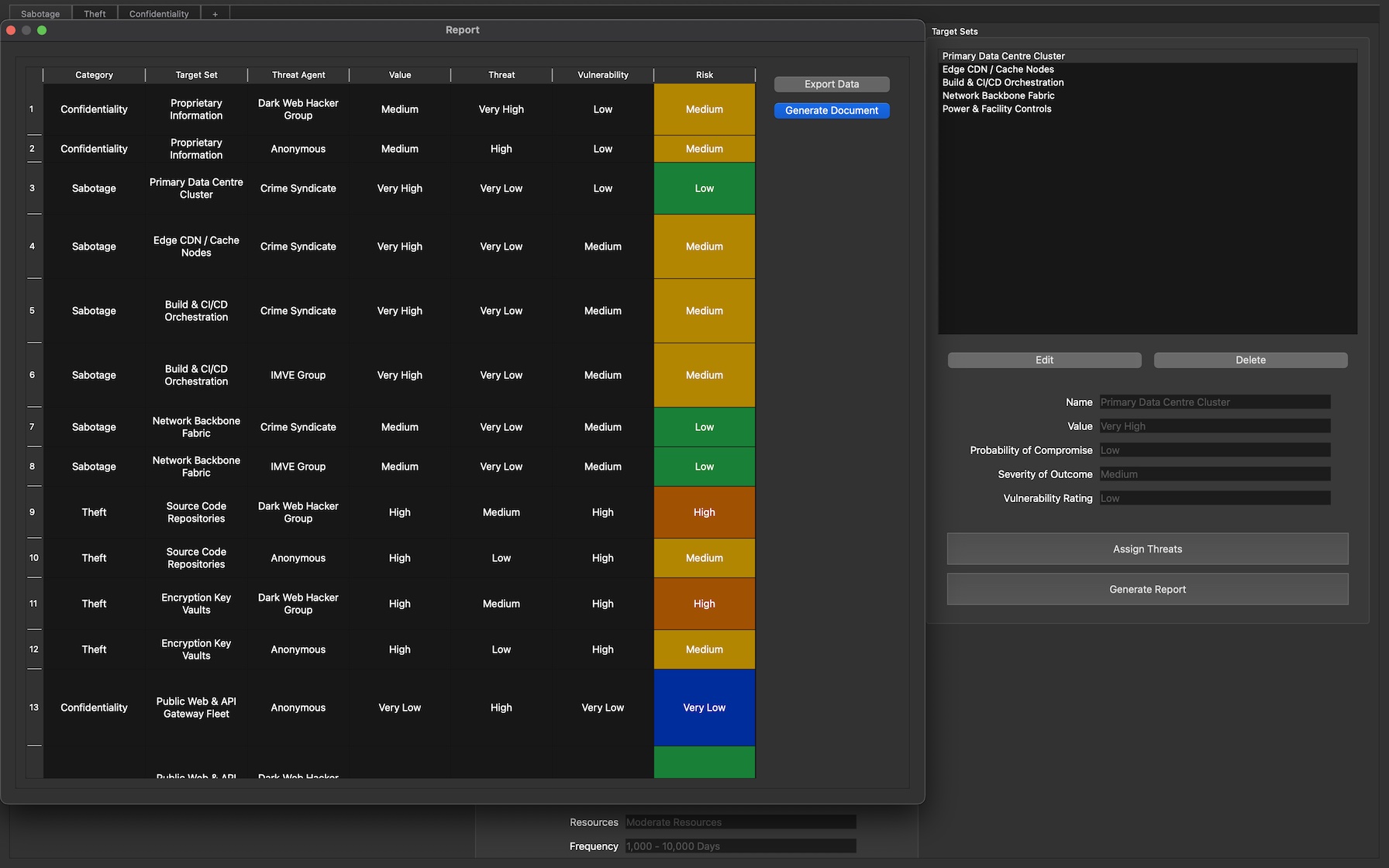
To make this methodology faster and more accessible, we built the TITRA software platform.
Instead of spending weeks building and formatting assessments, organizations can:
The software doesn’t replace expertise—it empowers it, ensuring the effort that goes into a TRA translates directly into insight and action.
TRAs are not optional extras. They are the tools that separate organizations that stumble into crises from those that navigate them with foresight.
Done poorly, they waste time and end up forgotten.
Done well, they sharpen priorities, focus resources, and build resilience that lasts.
That’s why TITRA exists: to ensure TRAs reach their full potential—and to make it practical for every organization to use them.
In a world defined by uncertainty, clarity is an advantage. A TRA is how you find it. TITRA is how you use it. See how by visiting our Products page.

